

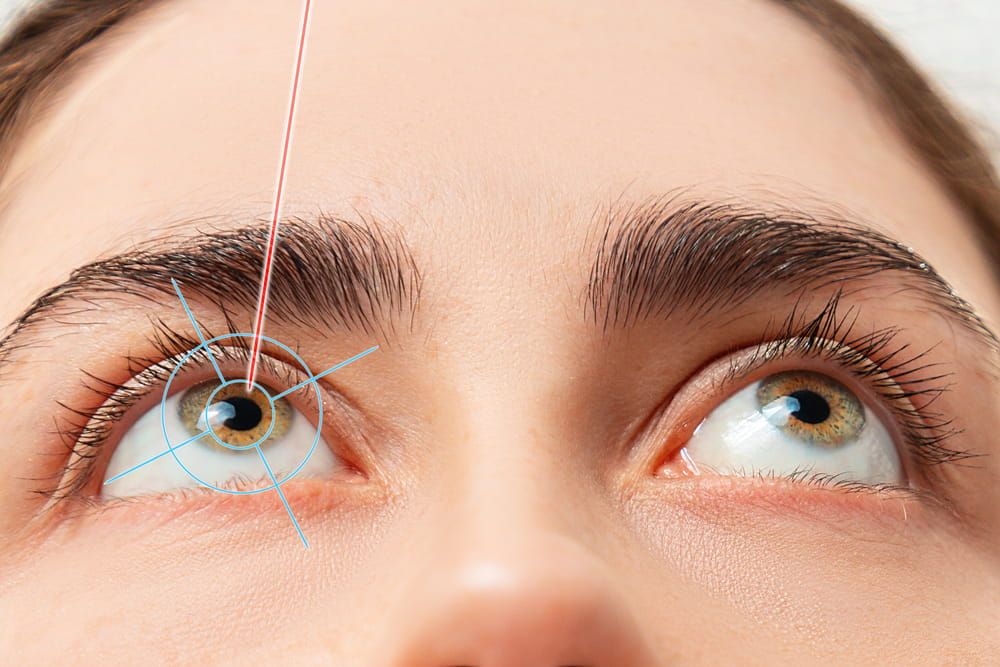
Laser-assisted in situ keratomileusis, commonly known as LASIK, is a refractive eye surgery designed to correct nearsightedness, farsightedness, and astigmatism by reshaping the cornea. The procedure uses a precise laser to adjust how light enters the eye, allowing it to focus properly on the retina. For many patients, this results in clearer vision with reduced dependence on glasses or contact lenses. LASIK has been performed for decades and is one of the most researched elective surgeries in medicine, with a strong track record of safety and effectiveness.
At Colorado Eye Clinic, patients often ask whether LASIK is truly permanent or if vision can change again over time. The short answer is that LASIK permanently reshapes the cornea, but it does not stop the natural aging process of the eyes. This distinction is important for setting realistic expectations. While the correction itself does not “wear off,” other age-related changes may still affect vision years later.
A comprehensive eye evaluation is essential before considering LASIK, as overall eye health plays a significant role in outcomes. Routine Eye Exams help determine whether a patient’s prescription is stable and whether the cornea and retina are healthy enough for refractive surgery.
Is LASIK Truly Permanent?
The corneal reshaping performed during LASIK is permanent, meaning the treated tissue does not revert to its original shape. For most patients, this leads to long-lasting vision correction that can remain stable for many years. Studies have shown that a high percentage of patients maintain 20/20 vision or better long after surgery, especially when the procedure is done after the prescription has stabilized.
However, permanence does not always equal lifetime freedom from glasses. Vision can still change due to natural processes such as presbyopia, which typically begins in the 40s and affects near vision, or due to the development of cataracts later in life. These changes are unrelated to LASIK itself and would occur regardless of whether a person had refractive surgery.
Patients with underlying eye conditions, such as Glaucoma or retinal disorders, may experience vision changes over time that are independent of LASIK. Ongoing eye care remains essential to monitor eye health and preserve vision long term.
Factors That Influence Long-Term LASIK Results
Several factors play a role in how stable LASIK results remain over time. Age at the time of surgery is one of the most important considerations. Younger patients whose prescriptions are still changing may be more likely to notice vision shifts later, while patients with stable prescriptions generally experience more lasting results.
Eye health before surgery also matters. Conditions such as chronic dry eye can affect healing and visual clarity after LASIK. Addressing Dry Eye Disease before and after surgery can significantly improve comfort and visual outcomes. Hormonal changes, certain medications, and systemic health conditions can also influence how the eyes respond over time.
Lifestyle factors should not be overlooked. Extended screen use, UV exposure, and lack of routine eye care can all impact long-term visual comfort and clarity. Regular follow-up visits allow eye doctors to detect subtle changes early and recommend appropriate treatments or adjustments when needed.
LASIK and Age-Related Vision Changes
One of the most common misconceptions about LASIK is that it prevents all future vision problems. While LASIK can correct refractive errors, it does not prevent presbyopia, a natural loss of near focusing ability that affects nearly everyone with age. Many patients who had excellent distance vision after LASIK may still need reading glasses later in life.
Cataracts are another age-related condition that LASIK does not prevent. As the eye’s natural lens becomes cloudy, vision can gradually decline. Cataract surgery can still be performed safely in patients who previously had LASIK, and modern surgical planning takes prior refractive surgery into account. Educational resources on Cataract care help patients understand how vision can be restored later in life if cataracts develop.
Retinal health is also critical as people age. Conditions affecting the retina can influence visual quality regardless of corneal shape. Monitoring and treating retinal issues through services such as Retina care supports long-term vision preservation.
When Enhancements or Alternatives Are Considered
In some cases, patients may experience minor changes in vision years after LASIK that affect clarity. When appropriate, a LASIK enhancement may be considered to fine-tune vision, provided the cornea remains healthy and thick enough. Enhancements are not always necessary, but they can be an option for select patients.
Alternatives to LASIK may be discussed for individuals who are not ideal candidates or who develop new visual needs over time. These may include PRK, lens-based procedures, or simply updating glasses for specific tasks. The goal is always to match the solution to the patient’s current eye health and lifestyle.
Key considerations when evaluating long-term vision options include:
- Stability of the original prescription
- Overall corneal and retinal health
- Presence of dry eye or other ocular surface conditions
- Age-related changes such as presbyopia or cataracts
LASIK as Part of Lifelong Eye Care
Viewing LASIK as one component of lifelong eye care helps set realistic expectations. The procedure can provide lasting freedom from glasses or contacts for many patients, but it does not replace the need for regular eye exams or ongoing attention to eye health. Early detection of issues involving the optic nerve, retina, or ocular surface can make a significant difference in long-term outcomes.
At our office in Greenwood Village, Colorado Eye Clinic emphasizes a streamlined, personalized approach to eye care, while proudly serving patients from across Denver and surrounding communities. Ongoing education and access to timely care support patients at every stage of their visual journey, whether they have had LASIK or not.
In closing, LASIK is a permanent correction to the cornea that can offer long-term visual clarity, but natural changes in the eyes may still occur over time. By understanding what LASIK can and cannot do, patients can make informed decisions and maintain healthy vision for years to come with guidance from Colorado Eye Clinic.
Resources
American Academy of Ophthalmology. (2023). LASIK Eye Surgery. Ophthalmology Clinical Guidelines.
Sugar, A., et al. (2016). LASIK Outcomes and Long-Term Safety. Journal of Cataract & Refractive Surgery.
National Eye Institute. (2022). Facts About Refractive Errors and Vision Correction. Vision Research Publications.