

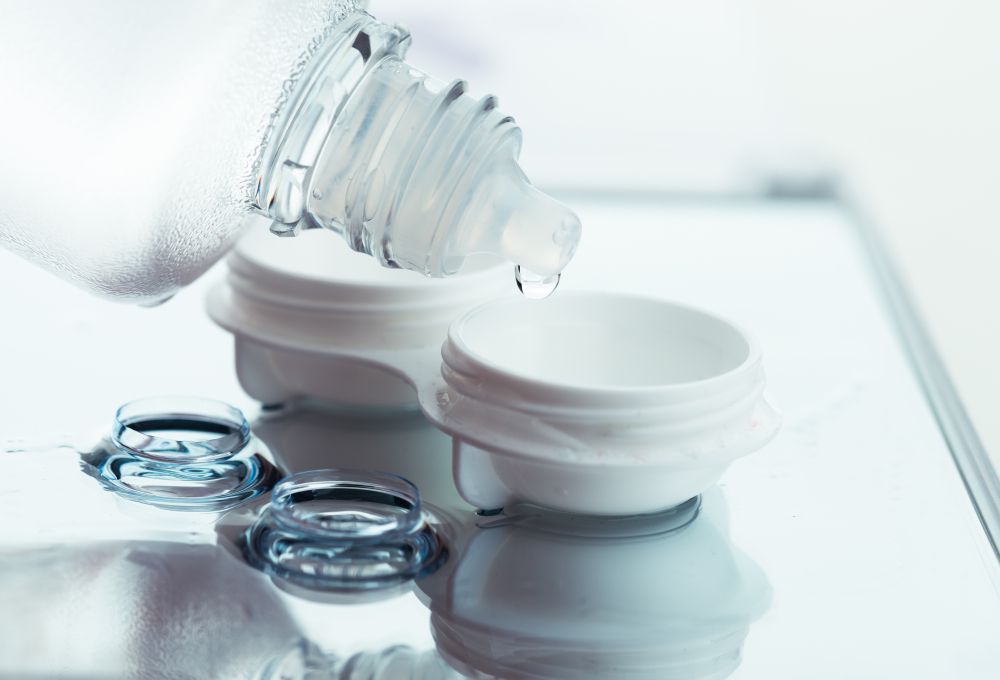
Proper contact lens hygiene is essential for maintaining eye health and preventing infections. At Colorado Eye Clinic in Greenwood Village, Denver, CO, Dr. Abed Namavari emphasizes that cleaning and caring for contact lenses correctly can significantly reduce the risk of complications and discomfort. While contact lenses are convenient for vision correction, improper cleaning can lead to bacterial or fungal infections, irritation, and even long-term damage to the eyes. Understanding the best methods for cleaning lenses ensures that wearers can enjoy clear vision safely.
Why Cleaning Contact Lenses Matters
Contact lenses sit directly on the cornea, which is a sensitive and delicate part of the eye. Over time, lenses accumulate deposits such as proteins, lipids, dust, and environmental debris. These deposits can cause irritation, blurry vision, or increase the risk of eye infections. Regular and proper cleaning removes these substances and helps maintain the lens surface smooth and comfortable. Additionally, the solution used for cleaning also helps disinfect the lenses, eliminating bacteria, fungi, and other microorganisms that can cause serious eye infections.
Even lenses labeled as “daily” or “extended wear” require careful handling and adherence to hygiene guidelines. Failing to clean lenses properly or using water or saliva instead of approved solutions introduces harmful microbes directly onto the eye. This is why understanding the correct cleaning steps is crucial for anyone who wears contact lenses, whether daily or occasionally.
Steps to Properly Clean Contact Lenses
Cleaning contact lenses involves more than simply rinsing them in a solution. Following a consistent routine helps ensure lenses are safe and comfortable to wear.
- Wash your hands thoroughly with soap and water, and dry them with a lint-free towel before touching your lenses.
- Remove one lens at a time and place it in the palm of your hand.
- Apply a few drops of a recommended multipurpose contact lens solution, then gently rub the lens with your fingertip for about 10-20 seconds on each side.
- Rinse the lens thoroughly with fresh solution to remove loosened debris and protein buildup.
- Store the lens in a clean lens case filled with fresh solution. Avoid topping off old solution, as it can harbor bacteria.
- Repeat the same steps for the second lens.
It is important to replace lens cases every three months and always use fresh solution to store lenses. Using tap water or homemade saline solutions can introduce microorganisms that are dangerous for the eye. Regular cleaning not only keeps lenses comfortable but also prevents infections like keratitis, which can be serious and potentially vision-threatening.
Choosing the Right Solutions
Not all contact lens solutions are created equal, and selecting the correct type is vital. Multipurpose solutions are convenient because they clean, disinfect, and store lenses, but some patients may require specific solutions for sensitive eyes or particular types of lenses. Hydrogen peroxide-based systems provide deep cleaning and disinfection but require a neutralization step before lenses are safe to wear. Understanding the differences between these solutions ensures lenses are both clean and safe.
It is also important to read and follow the manufacturer’s instructions. Some solutions need to remain in contact with the lens for several hours to fully disinfect, while others are ready to wear immediately after cleaning. Consulting an eye care professional like Dr. Abed Namavari can help determine the most suitable cleaning solution based on the wearer’s eyes, lens type, and daily habits.
Maintaining Safe Lens Habits
In addition to proper cleaning, safe contact lens habits support long-term eye health. Never wear lenses longer than recommended, avoid sleeping in lenses not approved for overnight use, and always replace lenses according to the schedule provided by the manufacturer or your eye care professional. Keeping your lenses clean and handling them with care protects your eyes from irritation, redness, and infections.
Consistent hygiene practices and proper cleaning routines allow contact lens wearers to enjoy clear vision safely. At Colorado Eye Clinic in Greenwood Village, Denver, CO, Dr. Abed Namavari stresses that understanding the importance of lens care is key to maintaining healthy eyes and preventing avoidable complications. With proper cleaning, contact lenses remain comfortable, safe, and effective for everyday use.
Resources:
- Szczotka-Flynn, L., & Pearlman, E. (2010). Microbial keratitis associated with contact lenses. Clinical Ophthalmology.
- Stapleton, F., & Carnt, N. (2012). Contact lens-related microbial keratitis: Risk factors and prevention. Ophthalmology.
- Jones, L., & Senchyna, M. (2013). Contact lens care and compliance: A review. Eye & Contact Lens.