

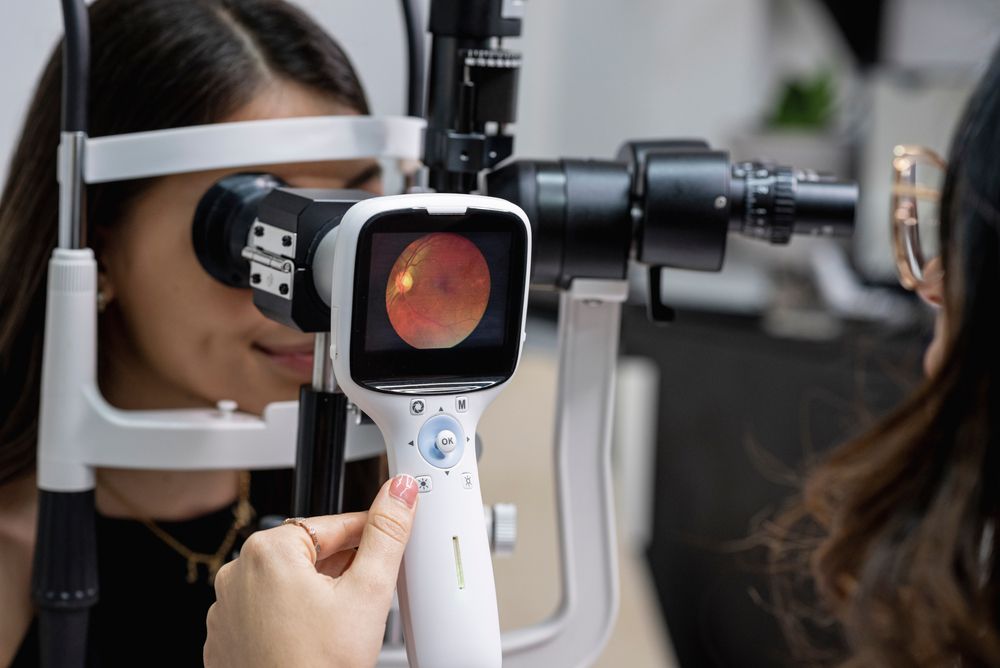
Retinal imaging is a technology used to capture detailed pictures of the back of the eye, including the retina, optic nerve, and blood vessels. These images provide ophthalmologists with a comprehensive view of the eye’s internal structure, which can reveal subtle changes that may indicate disease. For patients in Greenwood Village, Denver, CO, understanding the role of retinal imaging can clarify why regular eye examinations are crucial for long-term eye health. At Colorado Eye Clinic, Dr. Abed Namavari emphasizes that retinal imaging allows doctors to monitor eye health in a non-invasive and precise way, making it easier to detect potential issues before symptoms appear.
The retina is a light-sensitive layer of tissue that converts light into electrical signals, which the brain interprets as vision. Because the retina is so sensitive and vital for sight, early detection of abnormalities can prevent vision loss. Retinal imaging can reveal conditions such as retinal tears, macular degeneration, diabetic retinopathy, glaucoma, and other vascular or neurological issues that might not be noticeable during a routine eye exam. This early insight is critical for maintaining vision and overall eye health.
How Retinal Imaging Works
Retinal imaging uses specialized cameras to take high-resolution images of the retina. Some imaging techniques use digital photography, while others, such as optical coherence tomography (OCT), employ advanced scanning technology to create cross-sectional images of retinal layers. These images allow ophthalmologists to see both surface details and deeper structures, helping them identify issues that may otherwise go undetected.
The process is generally quick and non-invasive, often requiring no contact with the eye. Patients may be asked to focus on a target while the camera captures images, or a small amount of pupil-dilating drops may be used to improve visibility. The resulting images are analyzed for abnormalities such as swelling, bleeding, or structural changes in the retina. Regular monitoring with retinal imaging can track the progression of chronic conditions like glaucoma or diabetic retinopathy, allowing doctors to adjust treatment plans as needed.
Benefits of Retinal Imaging
Retinal imaging offers several benefits for eye health, particularly when it comes to early detection and disease management. One of the primary advantages is the ability to identify conditions before symptoms become apparent. Early detection often translates into more effective treatment, potentially preserving vision and preventing complications. Retinal images also create a visual record of eye health over time, enabling comparisons during follow-up visits.
Some key benefits include:
- Early detection of retinal diseases such as macular degeneration, diabetic retinopathy, and retinal detachment.
- Monitoring chronic conditions like glaucoma and high blood pressure-related eye issues.
- Providing detailed documentation for medical records and referrals.
- Assisting in evaluating the impact of systemic diseases, such as diabetes, on eye health.
These benefits highlight why retinal imaging is increasingly considered a vital tool in preventive eye care and ongoing monitoring.
Retinal Imaging and Overall Eye Health
Maintaining eye health requires regular monitoring, and retinal imaging is one of the most effective ways to achieve this. Beyond diagnosing eye-specific conditions, retinal imaging can also provide clues about overall health, as changes in retinal blood vessels may reflect systemic issues such as hypertension or cardiovascular disease. This makes retinal imaging not only valuable for ophthalmology but also as part of comprehensive health care.
For patients in Greenwood Village, Denver, CO, understanding retinal imaging can increase awareness of the importance of eye exams. While not all eye conditions are preventable, early detection through advanced imaging can improve outcomes and help individuals make informed decisions about their eye care. At Colorado Eye Clinic, Dr. Abed Namavari emphasizes that staying proactive about eye health, including awareness of technologies like retinal imaging, is essential for maintaining vision and overall wellness.
Resources:
- Abramoff, M. D., Garvin, M. K., & Sonka, M. (2010). Retinal Imaging and Image Analysis. IEEE Reviews in Biomedical Engineering.
- Keane, P. A., & Sadda, S. R. (2014). Retinal Imaging in the Diagnosis of Retinal Disease. Survey of Ophthalmology.
- Wong, T. Y., & Mitchell, P. (2004). The Eye in Systemic Disease. The Lancet.