

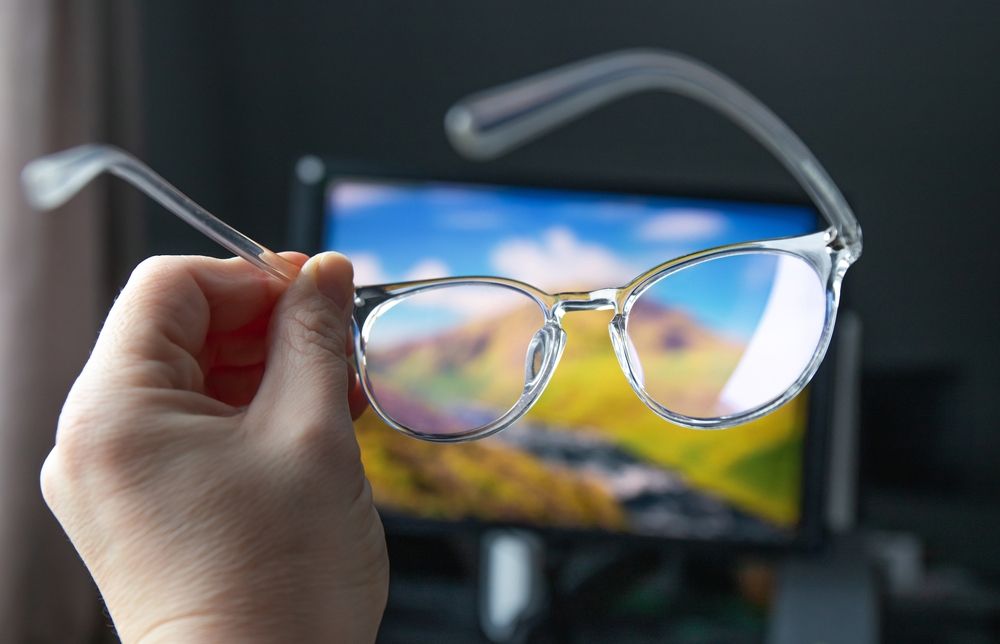
In recent years, blue light has become a popular topic in discussions about eye health. Blue light is a type of high-energy visible (HEV) light that is naturally emitted by the sun, as well as artificial sources such as LED screens, smartphones, tablets, and fluorescent lighting. Many people in Greenwood Village, Denver, CO, and beyond spend a significant portion of their day in front of digital devices, which has raised concerns about potential long-term effects on the eyes. At Colorado Eye Clinic, Dr. Abed Namavari and his team have observed that while digital device use is ubiquitous, the scientific understanding of blue light and its impact on eye health is still evolving.
Blue light exposure plays a role in regulating circadian rhythms, which affects sleep cycles and overall well-being. The concern arises when artificial sources of blue light are overused, particularly in the evening, potentially disrupting sleep patterns. Some studies suggest that excessive screen time may contribute to eye strain and fatigue, but the direct link between blue light and permanent eye damage remains inconclusive. Understanding these distinctions is crucial before investing in protective eyewear marketed as a solution to prevent eye disease.
The Claims Behind Blue Light Glasses
Blue light glasses have surged in popularity with claims that they can reduce digital eye strain, improve sleep quality, and prevent long-term retinal damage. Manufacturers often promote lenses that filter out specific wavelengths of blue light, promising relief from headaches, blurred vision, and eye fatigue associated with prolonged screen exposure. However, it’s important to evaluate these claims critically.
Research indicates that while blue light glasses may slightly reduce glare and improve visual comfort for some users, the evidence that they prevent retinal damage or eye diseases such as macular degeneration is limited. Most eye care professionals agree that digital eye strain is largely related to prolonged near work, screen brightness, posture, and blinking frequency rather than blue light exposure alone. Therefore, the benefits of blue light glasses may be more about comfort than long-term protection.
Digital Eye Strain: The Real Concern
Digital eye strain, also known as computer vision syndrome, is a collection of symptoms that can include dry eyes, blurred vision, headaches, and neck or shoulder pain. This condition is prevalent among individuals who spend hours in front of screens without adequate breaks. At Colorado Eye Clinic in Greenwood Village, Denver, CO, Dr. Abed Namavari often advises patients to focus on practical strategies to reduce eye strain rather than relying solely on specialized lenses.
Some effective approaches include:
- Following the 20-20-20 rule: Every 20 minutes, look at an object 20 feet away for 20 seconds.
- Adjusting screen brightness and contrast to match ambient lighting.
- Ensuring proper ergonomic setup to reduce neck and shoulder strain.
- Using artificial tears or humidifiers to combat dry eyes.
These methods are supported by research as more reliable ways to reduce discomfort associated with prolonged digital device use, even if blue light glasses are worn concurrently.
Sleep and Circadian Rhythm Considerations
Blue light exposure in the evening can interfere with the body’s natural production of melatonin, a hormone that regulates sleep. Screens that emit high levels of blue light late at night can delay the onset of sleep, reduce overall sleep quality, and affect overall health. Blue light glasses marketed for evening use claim to mitigate this effect by filtering out the wavelengths that suppress melatonin.
While some studies show modest improvements in sleep quality for individuals who wear blue light-blocking lenses in the evening, lifestyle modifications are equally effective. Reducing screen time before bed, using night mode features on devices, and maintaining a consistent sleep schedule can significantly improve sleep hygiene. For residents of Denver, CO, balancing outdoor daylight exposure with screen habits may also help regulate circadian rhythms naturally.
The Bottom Line
Blue light glasses can provide visual comfort and reduce glare for some users, but they are not a cure-all for eye health. Scientific evidence supporting their ability to prevent eye disease remains limited. People experiencing eye strain or disrupted sleep may benefit from implementing practical strategies like screen breaks, ergonomic adjustments, and proper sleep hygiene. At Colorado Eye Clinic, Dr. Abed Namavari emphasizes the importance of understanding the nuances of blue light and digital eye strain. By combining informed decisions about eyewear with healthy screen habits, individuals in Greenwood Village, Denver, CO, can protect their eyes and maintain overall well-being.
Resources:
- Sheppard, A. L., & Wolffsohn, J. S. (2018). Digital Eye Strain: Prevalence, Measurement and Amelioration. BMJ Open Ophthalmology.
- Tosini, G., Ferguson, I., & Tsubota, K. (2016). Effects of Blue Light on the Circadian System and Eye Physiology. Molecular Vision.
- Downie, L. E., et al. (2017). The Effect of Blue-Light Blocking Spectacle Lenses on Visual Performance, Sleep, and Well-Being in Adults: A Systematic Review. Ophthalmic and Physiological Optics.