

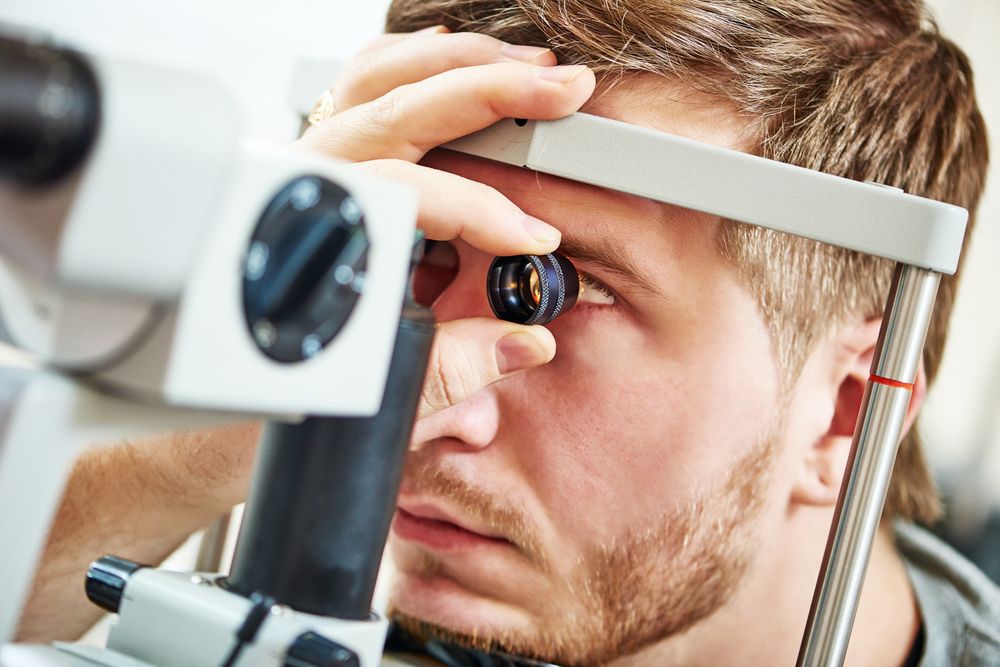
A dilated eye exam is a comprehensive evaluation that allows eye care professionals to examine the inner structures of the eye more thoroughly than a standard eye exam. At Colorado Eye Clinic in Greenwood Village, Denver, CO, Dr. Abed Namavari often emphasizes that dilation is a vital tool in detecting conditions that might otherwise go unnoticed. During the procedure, eye drops are used to widen, or dilate, the pupils, giving doctors a clearer view of the retina, optic nerve, and blood vessels. This allows for early detection of potential issues, even before noticeable symptoms appear.
Without dilation, many eye conditions can remain hidden until they become more advanced, making them harder to treat. Conditions such as glaucoma, diabetic retinopathy, and macular degeneration can develop silently. By having a regular dilated eye exam, individuals can gain a critical advantage in maintaining their eye health and preserving their vision for years to come. The procedure is simple, generally painless, and provides a wealth of information that cannot be captured with a basic vision test alone.
Routine eye exams with dilation also help establish a baseline of eye health. For people in Greenwood Village or greater Denver, regular monitoring can ensure that subtle changes in vision or eye structure are detected early. Tracking these changes over time allows eye care professionals to recommend interventions before serious damage occurs, which can be crucial for long-term vision preservation.
Detecting Eye Diseases Early
Early detection of eye diseases is one of the primary reasons for undergoing dilated exams regularly. Many eye conditions progress without causing immediate symptoms, making them difficult to detect without a thorough examination. For instance, glaucoma, often called the “silent thief of sight,” can damage the optic nerve gradually without noticeable vision loss until advanced stages. Similarly, diabetic retinopathy can occur in people with diabetes even if their vision seems unaffected.
A dilated exam allows eye doctors to spot early signs of these conditions when treatment is most effective. Detecting changes in the retina, blood vessels, or optic nerve can provide crucial information about not only eye health but also overall systemic health. For example, hypertension and diabetes often show early signs in the eyes before other symptoms emerge. Therefore, a dilated exam can be seen as both an eye care procedure and a preventive health measure.
Regular exams also help identify age-related changes that can impact vision over time. Macular degeneration, cataracts, and retinal tears are more common as people age, and early diagnosis can lead to interventions that preserve sight. Patients who undergo consistent monitoring are more likely to maintain high-quality vision throughout their lives, avoiding sudden and potentially irreversible vision loss.
How Often Should You Get a Dilated Exam?
The frequency of dilated eye exams depends on age, medical history, and risk factors. For adults under 40 with no symptoms or risk factors, exams every two to four years may be sufficient. Adults over 40, or those with chronic conditions like diabetes or high blood pressure, may need exams every one to two years. Individuals with a family history of glaucoma or other eye diseases may require even more frequent monitoring.
Certain symptoms should prompt an immediate visit, regardless of regular schedules. These include sudden vision changes, flashes of light, new floaters, or eye pain. While these symptoms do not always indicate a serious condition, they warrant a comprehensive evaluation. By understanding personal risk factors and staying proactive, patients can ensure that their eye health remains a priority throughout life.
Bullet Points: Signs You Should Schedule a Dilated Exam Sooner
- Blurred or distorted vision
- Fluctuating vision or double vision
- Persistent eye pain or discomfort
- Sudden flashes of light or floaters
- Family history of glaucoma or macular degeneration
The Broader Benefits Beyond Vision
Regular dilated eye exams offer benefits that extend beyond just preserving eyesight. Because the eyes can reflect overall health, exams can detect early signs of systemic conditions. For instance, changes in blood vessel patterns may indicate cardiovascular issues, while certain retinal changes can suggest diabetes complications. By detecting these issues early, patients can take proactive steps toward maintaining their general health in addition to eye health.
Additionally, comprehensive eye exams can improve quality of life by ensuring vision remains sharp and reliable. Good vision is critical for everyday activities such as driving, reading, and working. Maintaining optimal eye health reduces the likelihood of accidents, decreases strain, and enhances overall comfort and productivity.
Regular dilated exams also provide peace of mind. Knowing that your eyes have been thoroughly evaluated allows individuals to feel confident in their vision health and catch potential problems before they impact daily life. This proactive approach is especially valuable in communities like Greenwood Village and Denver, where lifestyle and environmental factors may influence eye health over time.
Conclusion
Regular dilated eye exams are essential for detecting silent eye diseases, monitoring age-related changes, and safeguarding overall health. By visiting Colorado Eye Clinic in Greenwood Village, Denver, CO, individuals can gain a deeper understanding of their eye health and take proactive steps toward long-term vision preservation. Dr. Abed Namavari underscores that even if your vision seems perfect, a dilated exam can reveal critical insights that protect your sight for years to come. Prioritizing eye health today ensures clearer vision and healthier eyes in the future.
Resources:
American Academy of Ophthalmology. (2020). Comprehensive Eye Exam.
National Eye Institute. (2019). Diabetic Retinopathy.
Mayo Clinic Staff. (2021). Eye Exams: Why They Are Important.